
Cost Segregation
Accelerate Depreciation. Improve Cash Flow.
A properly prepared cost segregation study identifies components of a building that may qualify for shorter depreciation lives — accelerating deductions into the early years of ownership.

What Is Cost Segregation?
Cost segregation is a tax strategy that analyzes the components of a real estate property to determine whether certain assets qualify for shorter depreciation periods than the building itself. Rather than treating an entire property as one long-term asset, a detailed study can identify components such as:
The result: accelerated depreciation deductions and improved near-term cash flow, subject to applicable tax rules and your individual circumstances.

Flooring
Specialty electrical systems
Plumbing associated with specific equipment
Decorative finishes
Certain millwork
Site improvements
Landscaping
Parking areas
Certain equipment and fixtures
Why It Matters.
Keep more capital working for you.
For real estate investors, timing matters. Accelerating deductions may free up cash that can be used to:
Fund additional investments
Reduce financing needs
Complete property improvements
Increase liquidity
Reinvest in your portfolio
Strengthen overall cash flow
Properties We Analyze
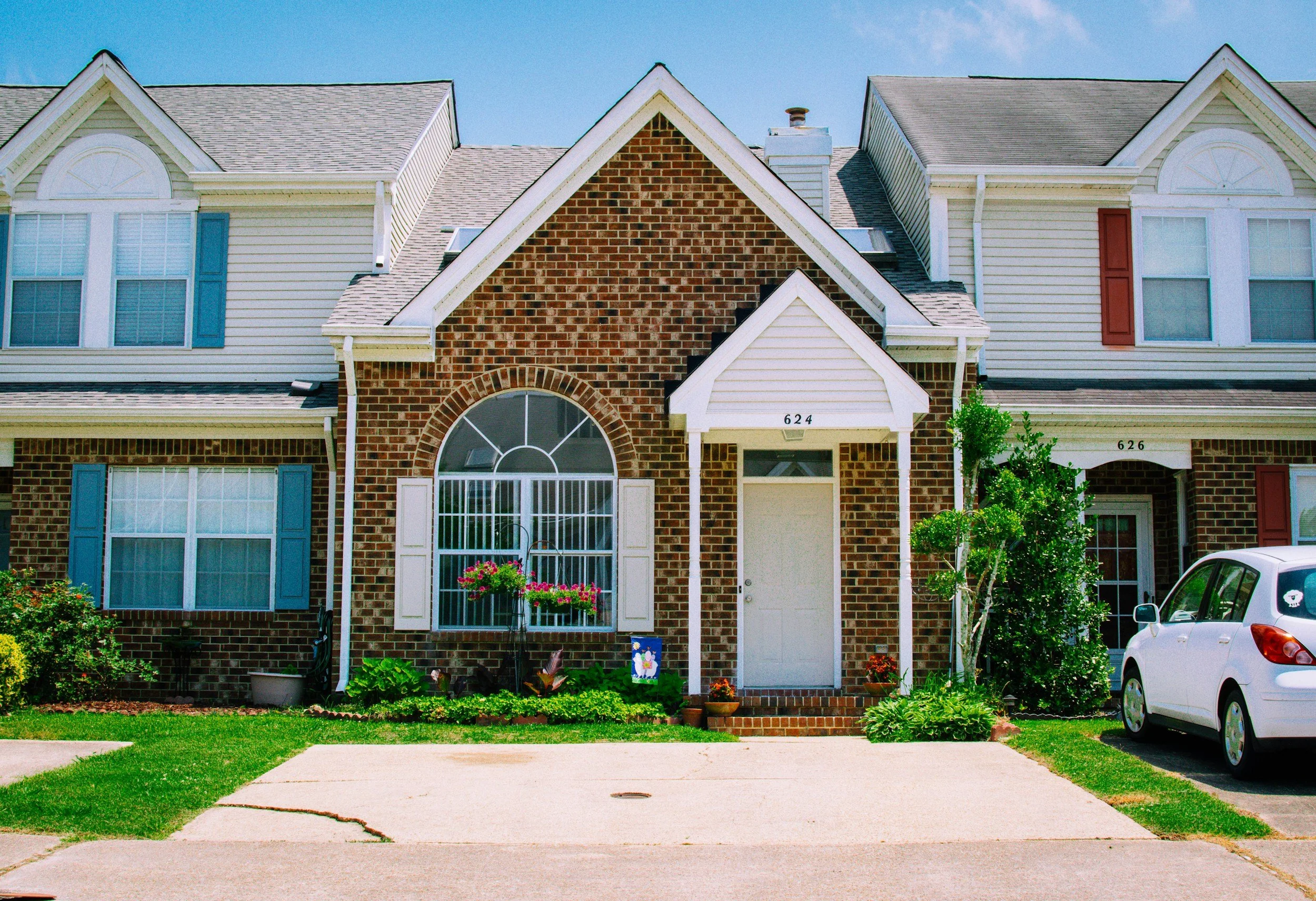
Multifamily
Apartments, townhomes, and other residential investment properties.

Industrial
Warehouses, manufacturing facilities, and distribution centers.

Hospitality
Hotels, motels, and other hospitality assets.

Office
Office buildings, professional facilities, and mixed-use properties.

Retail
Shopping centers, standalone retail, and specialty properties.
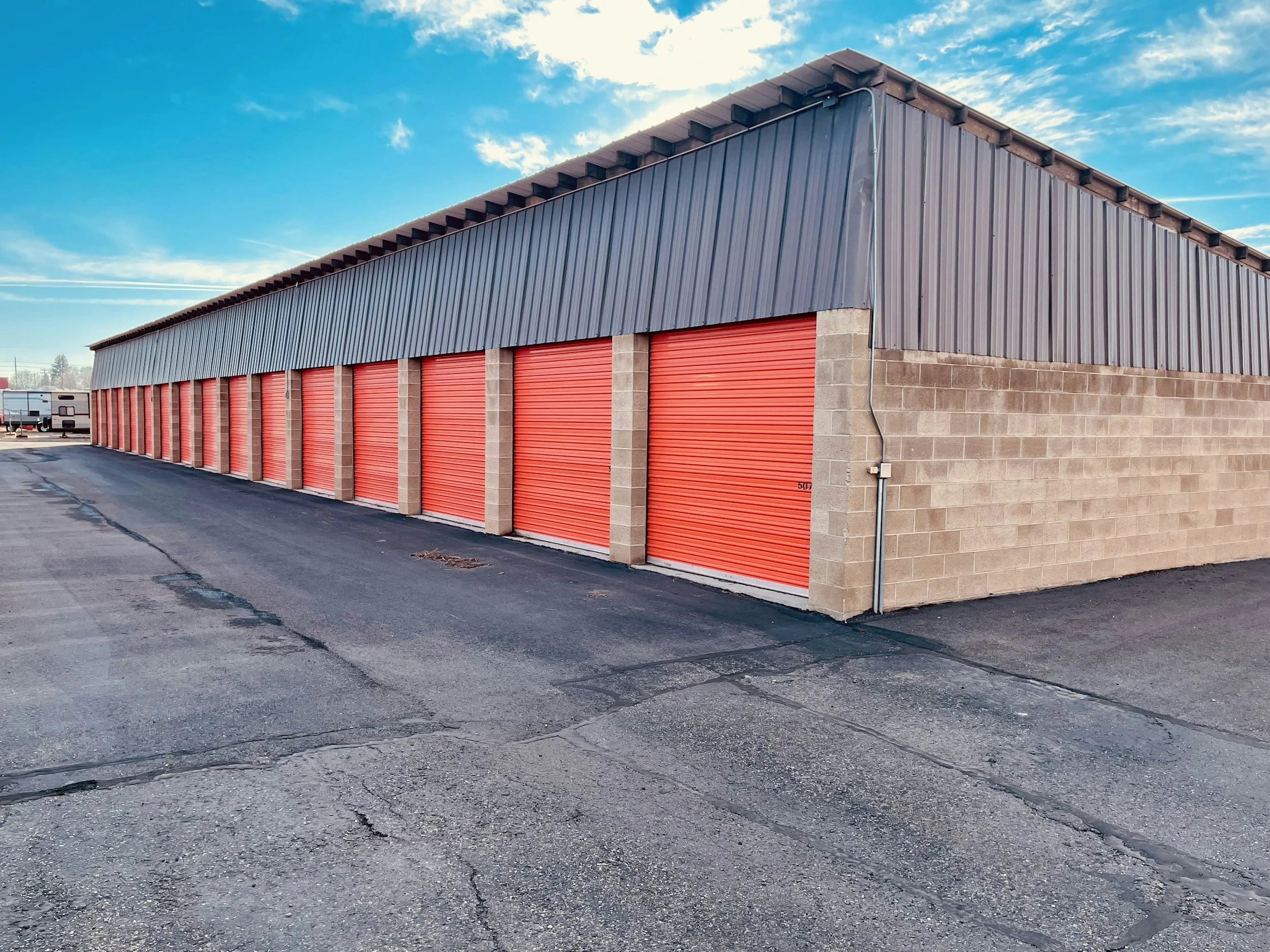
Specialty Properties
Medical facilities, assisted living, self-storage, restaurants, and other specialized real estate.
Our Cost Segregation Study Process
Is Cost Segregation Right For You?
Cost segregation can be particularly valuable when:
You’ve recently purchased a property
You’re constructing a new property
You’ve completed significant renovations
You own a property with substantial improvements
You’re planning to acquire additional real estate
You want to evaluate opportunities to accelerate depreciation
Every property and taxpayer is different. The potential benefit depends on factors including property type, cost basis, ownership structure, tax situation, and applicable tax law.