
Soil Deductions
Soil Deductions For Farmers and Landowners
We serve a variety of clients and partners to capture tax deductions from farmland they already own. The average deduction is $1,700 per acre which can drive material savings for the land owners. These are tax deductions based on the value of crop-producing nutrients—such as phosphorus, potassium, and other essential nutrients—present in agricultural soil when land is purchased or inherited.
By identifying and documenting these nutrients, landowners may be able to deduct their value from taxable income and reduce their tax liability. Qualified professionals use soil testing and analysis to accurately measure and document nutrient levels in accordance with IRS requirements.

Who We Help
Crop Farmers, Livestock Farmers and Passive Investors
We help farmers identify and maximize soil-related tax deductions and credits that can reduce their taxable income and put more money back into their operations. These opportunities can provide benefits in the current tax year while potentially creating value in future years as well. Depending on how the farm and land are owned, available deductions may flow through to the farmer’s personal tax return or help offset other sources of income.
Whether you operate a large farm or a smaller family operation, we can work directly with landowners to uncover tax-saving opportunities associated with their soil and land investments.
CPA Firms
We work alongside CPA firms and their clients to identify and unlock available soil-related tax deductions for farmland. These deductions have been part of the tax code for decades, yet many farmers may not be taking advantage of them because there has historically been a lack of scalable, scientific, and data-driven processes for identifying and supporting these opportunities.
By providing the research, data, and documentation needed to evaluate these deductions, we help CPA firms offer their agricultural clients an additional way to reduce taxable income and maximize the tax benefits associated with their farmland. For proactive accounting firms, these services can also provide a valuable differentiator and strengthen relationships with the farmers and landowners they serve.
Who qualifies for this Deduction?
To qualify for a Section 180 deduction, a taxpayer must own agricultural land and have sufficient tax basis to depreciate the asset.
The landowner must also be actively engaged in farming or ranching with a profit motive. This generally means regularly participating in agricultural activities, operating with the intent to make a profit, and maintaining records that document the farming or ranching operation.

What type of farmland qualifies?
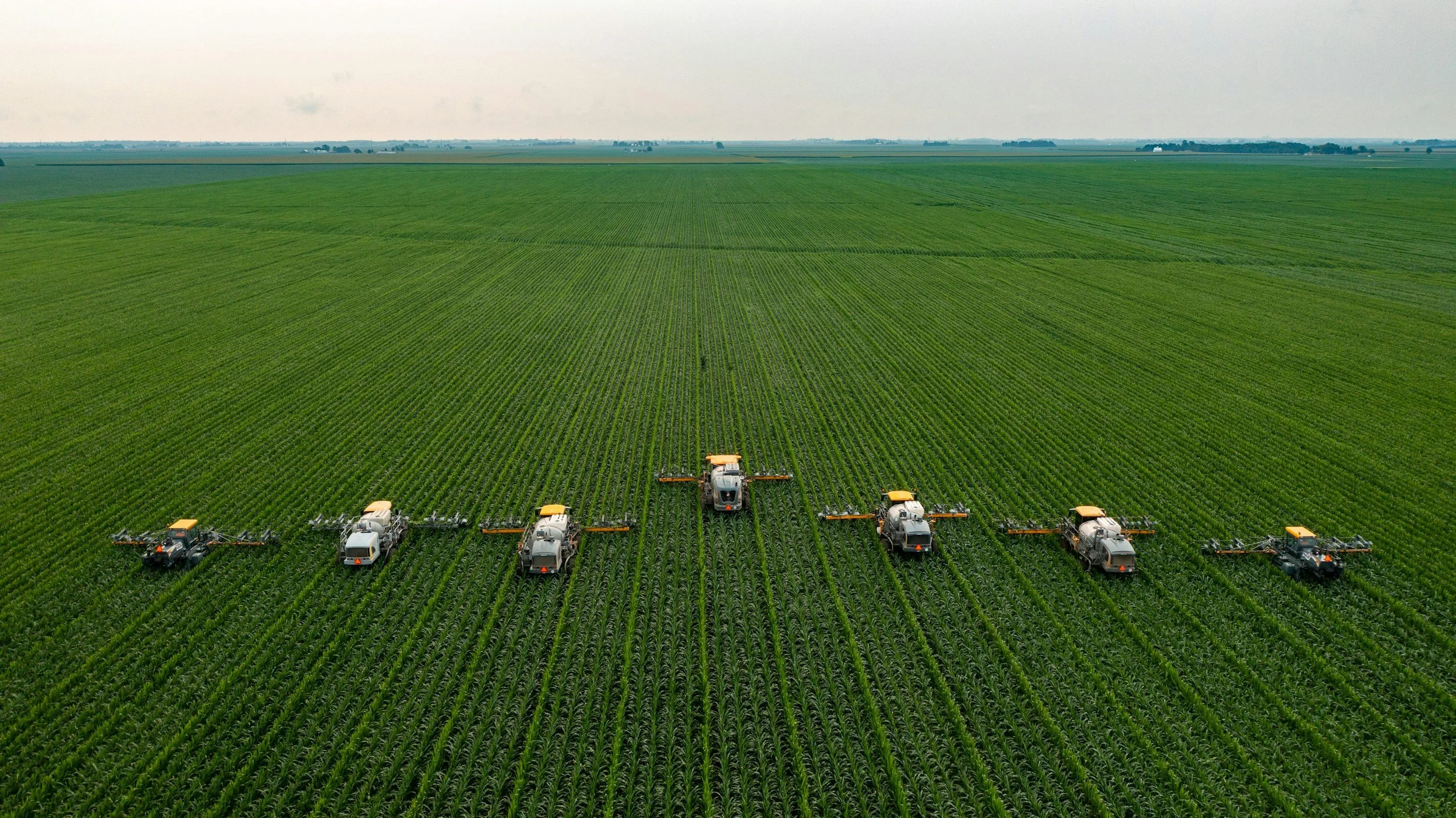
Row Crop Farming

Livestock Grazing Operations

Ranchland and Pasture Land
How much cash tax savings could I capture?
Your potential tax savings depend on the value of the deduction and your tax rate. For example, if nutrients are valued at $1,700 per acre:
10% tax rate: $170 savings per acre — 4.25x return
20% tax rate: $340 savings per acre — 8.5x return
30% tax rate: $510 savings per acre — 12.75x return
40% tax rate: $680 savings per acre — 17x return
The higher your tax rate, the greater your potential tax savings and return on the cost of the deduction.